
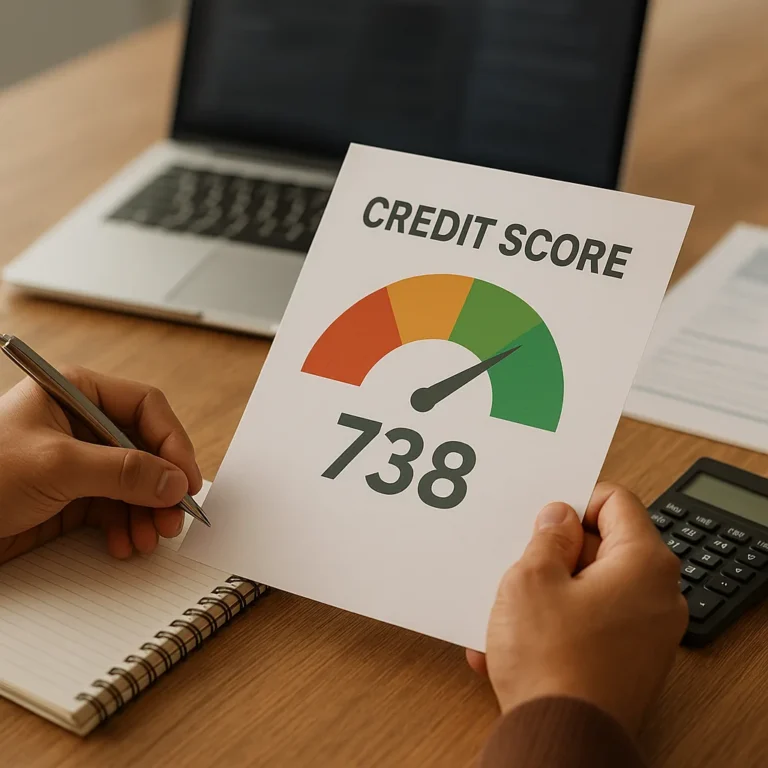
Your credit score is not a permanent label; it is a snapshot produced by information in your credit reports. That distinction matters because practical habits can gradually change the picture, even if past mistakes still appear. Lenders commonly look at payment history, balances, account age, new applications, and the mix of accounts, while scoring models weigh those details differently. You do not need to chase every point or carry a balance to build healthy credit. Start by checking what is being reported, then create reliable routines around due dates and borrowing. The following steps focus on decisions an ordinary household can control, including how to use cards, handle errors, and measure progress without reacting to every score fluctuation.
Check Your Credit Reports Before Taking Action
Pull all three nationwide credit reports before trying to fix anything. AnnualCreditReport.com is the federally authorized source for free reports, and reviewing them can reveal unfamiliar accounts, incorrect balances, duplicate debts, or payments listed late. Read account names, dates, limits, and status codes carefully. A score may differ across apps because lenders use different scoring models and update schedules, but report accuracy remains the foundation. If you find an error, dispute it with the reporting company and the business that supplied the information, keeping copies of statements and correspondence. Correcting inaccurate data is more useful than paying for a service that promises instant point increases.
Build a System for On-Time Payments
Payment history deserves a system because one missed due date can create lasting trouble. List every account, its due date, minimum payment, and preferred payment method. Set reminders several days early, or use autopay for at least the minimum when your cash flow supports it. Autopay is not permission to ignore statements; review each one for changed rates, fees, or unauthorized activity. If you expect a short-term cash problem, contact the creditor before missing the payment and ask about available options. Consistency matters more than making occasional large payments, so build a routine that works during travel, busy weeks, and irregular pay periods.
Manage Card Balances Without Paying Interest for a Score
Credit utilization is the share of a revolving account’s limit that is currently reported as used. Lower utilization is generally viewed more favorably, but the practical move is to avoid charging more than you can repay, not to carry interest for a score. If a card has a $2,000 limit and a $600 reported balance, utilization is 30 percent on that account. Paying before the statement closing date may reduce the balance reported, while paying by the due date avoids late payment consequences. Do not open unnecessary accounts or shift debt repeatedly just to manipulate a monthly number; stable repayment is the stronger long-term habit.
Think Carefully Before Applying or Closing Accounts
New applications and account closures can affect your profile, so plan major borrowing rather than applying casually. A hard inquiry may temporarily affect your score, and several applications can look risky even when each offer seems attractive. Before applying, compare the annual percentage rate, fees, promotional terms, and total repayment amount. Avoid closing an older card solely because it has no annual fee if doing so would reduce available credit or shorten your history; weigh the account’s security and usefulness first. When shopping for certain loans, multiple inquiries within a rate-shopping window may be treated differently, but confirm the details before relying on that protection.
Measure Progress Over Several Months
Measure credit progress over several months, using the same report or score source. Scores can move because balances, reporting dates, or model updates change, so a drop does not automatically signal a problem. Focus on outcomes you control: every bill paid on time, lower revolving balances, fewer unnecessary applications, and responses to errors or identity theft. If debt is overwhelming, consider a credit counselor and verify fees before signing up. Credit improvement is a byproduct of stronger money management, not a contest. Give your routines time to work, and choose borrowing terms that support your budget instead of treating a higher score as the goal.
Where to continue your research safely
To keep researching, review AnnualCreditReport.com Consumer Financial Protection Bureau credit guidance and compare which option makes the most sense for your situation.
Key criteria to compare before you decide
A good decision depends on more than a first impression. Compare total cost, timing, reputation, effort required, and the clarity of the offer conditions. When those criteria are visible together, it becomes easier to tell whether an option solves the problem or only looks attractive at first.
How to use this guide for your next step
Review the criteria before moving forward
Which credit habits have the greatest practical effect on your credit profile calls for context, comparison, and patience. Use the points above as a practical checklist: revisit your goal, look for concrete signals, and move forward only when the choice fits your current needs.