
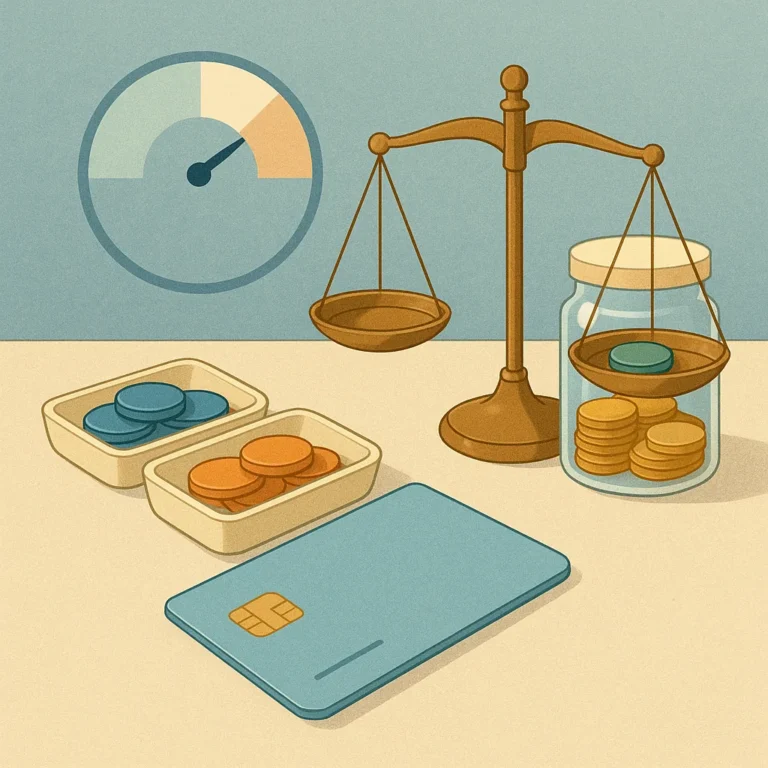
Credit utilization describes how much of a revolving credit limit is currently used. It can influence some credit scoring models, but it is only one part of a broader picture that may include payment history, account age, balances, and recent applications. Understanding the terms helps you make calmer decisions.
People often compare a statement balance with a current balance, then assume the higher figure is automatically a problem. Those numbers serve different purposes, and an issuer may report a balance according to its own schedule. This guide separates useful monitoring from risky efforts to chase a score change.
Understand Utilization in Context
Compare current and reported balances
A current balance is the amount shown when you check an account, including purchases, payments, and adjustments. A statement balance is the amount finalized for a billing cycle, while a reported balance is what an issuer sends to a bureau. These amounts can match, but they do not have to.
Checking your account and statement can reveal why a credit report does not reflect a recent payment. A payment may reduce the current balance immediately, yet reporting can occur later. Use this information as a snapshot, not a promise that every balance will automatically refresh on the same day.
Review individual and overall ratios
To calculate an individual utilization ratio, divide one card’s balance by its credit limit, then multiply by one hundred. An overall ratio uses combined balances divided by combined limits. Looking at both views can show whether one crowded account matters even when the household total still appears moderate.
Ratios are signals, not universal instructions. Scoring formulas differ by company and may consider details that consumers cannot see, so no particular percentage guarantees approval, a specific score, or a lower interest rate. Treat utilization as one dashboard reading, alongside affordability, payment history, and financial stability.
Choose a Balance Management Approach
Start with a spending plan that lists recurring bills, flexible purchases, income, and a realistic amount available for repayment. A limit is not extra income; it is borrowing capacity. Keeping purchases within a repayable amount reduces the chance that a temporary convenience becomes expensive revolving debt.
Paying the full statement balance by the due date generally avoids interest on ordinary purchases when the account terms allow that treatment. A partial payment can keep an account current, but it may leave a balance accruing interest. Read the agreement; prioritize a plan you can sustain.
Do not borrow solely to make a ratio look smaller, and do not skip necessities to send an extra payment. If cash flow is tight, protect housing, food, utilities, insurance, and modest emergency reserve before pursuing an optimization goal. A healthy plan supports the whole budget.
Plan Around Statement Dates
Statement closing dates mark a billing period’s end, while payment due dates identify when the required amount must arrive. They are often separated by several weeks. Knowing both dates helps you understand which purchases may appear on the next statement and when payment action is required from you.
Some issuers report around the statement date, while others may use another schedule or provide information after a payment posts. Check the issuer’s disclosures and history instead of relying on a universal rule. If timing is unclear, customer service can explain the relevant reporting pattern.
Avoid Harmful Overcorrection
Do not open accounts solely for a ratio
Opening a card may increase available credit, but it can also create a hard inquiry, change account age, add fees, and invite spending you cannot repay. Applying only to alter a ratio is risky, and paid score guarantees deserve skepticism. Consider the cost and purpose before applying.
Protect cash reserves before extra payments
An additional payment can reduce a balance, yet sending every available dollar to a card may leave no cushion for repairs, medical costs, or lost income. A reserve can prevent an emergency from becoming new debt. Balance repayment with liquidity, especially when the budget has little flexibility.
Monitor Reports and Adjust
Set a regular review, perhaps monthly or quarterly, to compare your statements, account balances, limits, and payment records. Look for unfamiliar transactions, incorrect limits, missing payments, or reporting dates that do not make sense. Early attention gives you more time to contact the issuer and document corrections.
Before making a payment, ask questions: Can I afford it without missing essentials? Am I paying on time under the terms? Does this action improve my finances, rather than merely chase a number? Those questions keep utilization in perspective and encourage decisions that remain useful after the next report.
Use this checklist: know each limit, distinguish current from statement balances, learn the issuer’s reporting pattern, pay at least what the terms require by the due date, and avoid purchases your budget cannot support. Review your reports periodically, correct errors, and treat score movement as information, not a guarantee.